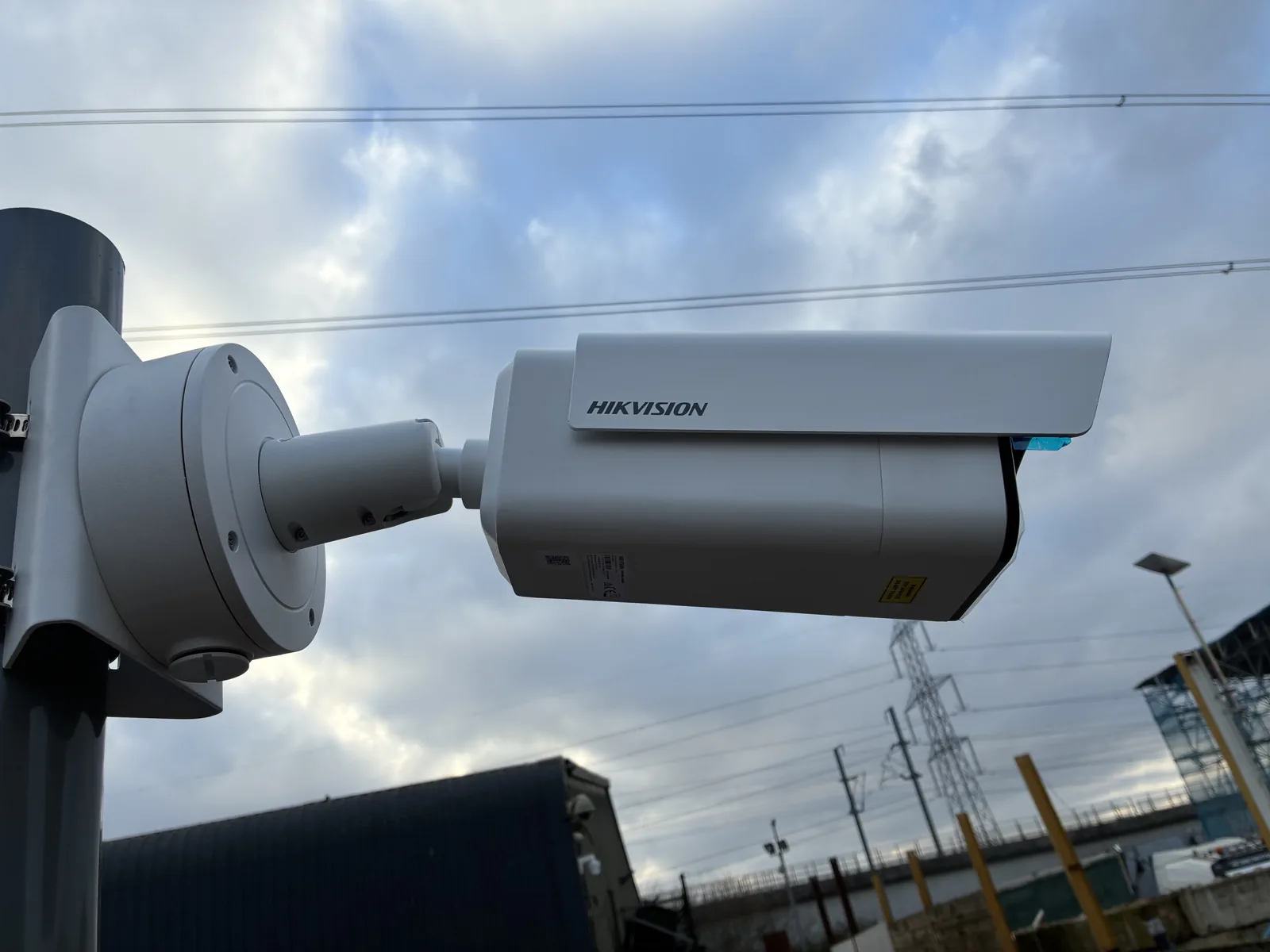
Why a fixed number does not work
Online guides give very different figures, and some even contradict each other. That is because the number of cameras depends on the building, not the headline. A mid-terrace house with one back gate is a different job from a detached house with a side passage and a garage, and both are different from a small unit with a shutter door, a yard and a loading bay.
So instead of asking "how many", ask "what do I need to see, and from where?"
Start with the entry points
Most guides agree on the same starting list:
- the front door and the area in front of it
- the back door and any rear access
- side gates and passages
- ground-floor windows that are easy to reach
- a driveway, garage or parking area
For a home, covering the front and the back often goes a long way. For a small business, add any door staff use, the delivery area, the yard and anywhere stock or equipment is kept.
A simple way to plan coverage
| Step | What to do |
|---|---|
| 1. Walk the boundary | List every way in: doors, gates, windows, side passages |
| 2. Rank the risks | Which entry would worry you most? Start there |
| 3. Decide the purpose | Seeing who is at the door is different from recording an incident in detail |
| 4. Check the blind spots | Look at lighting, trees, walls and parked vehicles that block the view |
| 5. Plan the recorder | Decide how long you want to keep footage and who can view it |
| 6. Check privacy | Make sure cameras do not point at neighbours or public areas more than they need to |
Work through this on paper first. It often shows that a few well-placed cameras beat many cameras with overlapping views.
Flats, houses and small premises
Flats and shared buildings. Often one or two cameras, or a video doorbell, cover the front door. Shared entrances and communal areas are different: you usually need permission from the landlord or managing agent first. Our guide to video doorbells explains the options.
Houses. Front and rear entry points first, then side access or a garage if there is a specific risk.
Small businesses. Think about customers, staff and stock. Entrances, tills or counters, stock rooms and the yard are the usual priorities.
Camera quality matters as much as quantity
A camera that cannot show a face or a number plate at the distance you need is little use, however many you have. Think about lighting at night, how far the camera is from the area you want to cover, and whether you want a wide view or a close one. The installer should explain the trade-offs before you decide.
The recorder matters too. It decides how long footage is kept and how easily you can find an event.
Privacy and the law
If your camera sees beyond your own property, for example a neighbour's garden or a public pavement, data protection rules can apply. We cannot give legal advice, but the Information Commissioner's Office (ICO) has clear guidance for people using home CCTV, and we cover the basics in our post on home CCTV and video doorbell privacy rules. Keep wording general, and check the ICO guidance for your own situation.
What a site assessment gives you
Kings Watch offers free local on-site surveys. A written quotation follows the site assessment, and the final hardware specification and installation timings are confirmed after that assessment. Detailed monitoring and alert features depend on the selected system and are confirmed before quotation.
If you are comparing quotes, ask each installer to explain why they chose each camera position. A good answer refers to your property, not a standard package. You can see our work on CCTV systems and the areas we cover on the areas page.
Call 07532 619 908 or request a quote at kingswatchcomms.co.uk/contact
Frequently asked questions
- How many CCTV cameras does a typical house need?
- There is no fixed number. Most people start with the front and rear entry points and add cameras for side access or a garage if there is a specific risk.
- How many cameras does a small business need?
- It depends on the premises. Entrances, the till or counter, stock areas and the yard are common priorities. A site assessment is the best way to decide.
- Can I point a camera at the street or my neighbour's property?
- Cameras that capture areas beyond your own property can bring data protection rules into play. Check the ICO guidance for home CCTV.
- Do I need a recorder as well as cameras?
- Usually yes, if you want to keep and review footage. The recorder decides how long footage is stored.
- Do you offer a survey?
- Yes. Free local on-site surveys are available, and a written quotation follows the site assessment.